Thinking about joining the police and becoming a police officer? You probably have questions about what happens after you submit that application. How hard is the police academy? What happens during the background investigation? Will you have to pass a physical test? And what is it really like going from civilian to police recruit?
The short answer is: expect a process.
The exact requirements vary by state and department, but official police recruiting information from departments such as the NYPD and Seattle Police Department shows several common themes: screening, background investigations, medical and psychological evaluations, academy training, physical preparation, scenario-based instruction, and field training. (NYC Government)
If you’re serious about a career in law enforcement, here’s an informal look at what you can expect when joining the police.
First Things First: Check the Requirements
Before buying a pair of shiny new duty boots, check the department’s eligibility requirements.
Police departments establish their own standards, and those standards can differ significantly. Requirements may address age, education, citizenship, driver’s licenses, criminal history, residency, physical ability, and other qualifications.
For example, current NYPD recruiting information has specific education, citizenship, residency, and examination requirements, while Seattle Police publishes its own entry-level qualifications. (NYC Government)
The lesson?
Read the official recruiting page carefully.
The Application Is Only the Beginning
Once you apply, the joining the police department may put you through several stages of evaluation.
NYPD’s published hiring information provides a good example of the process, listing components that can include a background check, pre-hire interview, medical examination, standardized psychological testing, job-standard testing, psychological interview, and character investigation. (NYC Government)
This is where honesty becomes extremely important.
A background investigation isn’t the time to suddenly develop selective memory.
If there’s something in your history that could raise questions, be truthful about it and provide the requested information. Attempting to hide something can create a much bigger problem than the original issue.
Expect a Background Investigation

A police background investigation can be one of the most important parts of becoming an officer.
Departments want to know whether applicants demonstrate the character, judgment, honesty, and responsibility expected of someone who will have significant public authority.
Depending on the department, investigators may review employment history, education, references, criminal history, driving history, finances, and other relevant information.
The specific process varies, so applicants should follow their department’s instructions rather than relying on internet rumors.
And yes, that means you might want to start remembering every address you’ve lived at.
Good luck with that.
Physical Fitness Is Part of the Job
Police officers don’t need to be professional athletes, but police physical fitness matters.
Officers may need to run, climb stairs, restrain someone, assist an injured person, move quickly, or perform physically demanding tasks during an emergency.
Official NYPD recruit training information describes physical preparation, defensive tactics, first aid, CPR, water-safety skills, and scenario-based exercises. Recruit officers also must complete department physical standards before graduation. (NYC Government)
The smart move is to start training before joining the police academy.
Don’t wait until the first week of training to discover that running is, in fact, difficult.
The Police Academy Is Serious Business
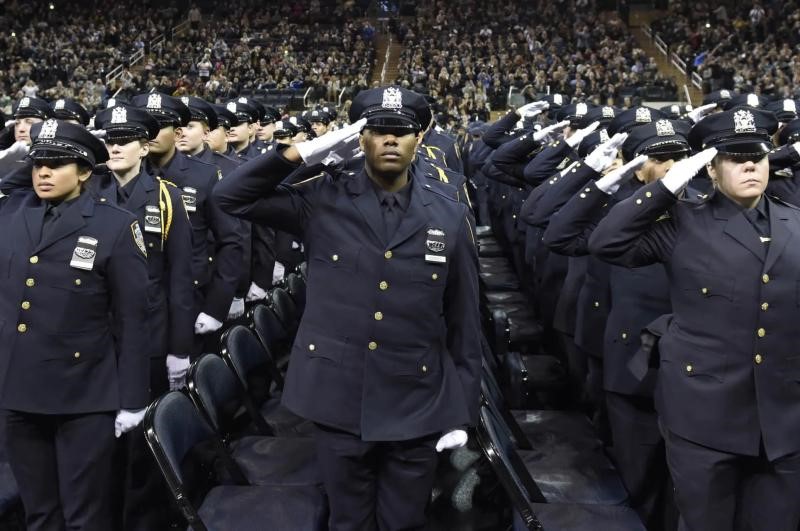
The joining the police academy isn’t simply a classroom where recruits memorize laws and receive a badge at the end.
Modern police academies combine academic education, physical training, practical skills, scenario-based exercises, and professional development.
The NYPD says its academy prepares recruits through academic and physical training while emphasizing community policing, de-escalation, communication, safe tactics, and constitutional responsibilities. (NYC Government)
That combination is important.
Police officers need to understand the law, but they also need to know how to communicate with people, make decisions under pressure, and safely respond to unpredictable situations.
You Will Learn the Law
A big misconception about police work is that academy training is primarily physical.
It isn’t.
Police academy training involves substantial academic material.
Recruits may study criminal law, constitutional law, criminal procedure, ethics, report writing, investigations, communications, emergency response, and department policies.
NYPD’s academy program, for example, includes instruction involving criminal law, criminal procedure and investigations, constitutional rights, crisis intervention, and other subjects. (NYC Government)
So yes, you’re going to study.
Bring a notebook.
Scenario-Based Training Gets Real

Reading about police work is one thing.
Practicing it is another.
Departments increasingly use scenario-based training to expose recruits to realistic situations requiring communication, judgment, physical skills, and appropriate decision-making.
NYPD’s Recruit Training Unit describes decision-making interactive scenarios designed to simulate stressful incidents officers may encounter on patrol. (NYC Government)
That’s important because actual police calls rarely arrive with a convenient instruction manual.
Firearms Training Is Only One Part
People sometimes assume becoming a police officer is mostly about learning firearms.
It isn’t.
Firearms proficiency is an important responsibility for departments that authorize officers to carry firearms, but modern police training encompasses far more.
Communication, de-escalation, defensive tactics, emergency medical skills, legal knowledge, report writing, driving, decision-making, and community interaction are all important parts of professional policing.
The goal is not simply to react.
The goal is to respond appropriately and lawfully.
Then Comes Field Training

Graduating from the academy doesn’t necessarily mean you’re finished learning.
Many departments transition new officers into Field Training Officer (FTO) programs.
Seattle Police, for example, explains that officers complete advanced training before entering field training with an experienced officer who evaluates their performance in patrol. (Seattle.gov)
This is where classroom knowledge starts meeting real-world police work.
You’ll discover that paperwork exists.
Lots of paperwork.
You may also discover that your experienced FTO has opinions about how quickly you should finish it.
Expect a Probationary Period
New officers commonly serve a probationary period after appointment.
The length and requirements vary by department.
NYPD’s published materials, for example, describe a 24-month probationary period and continuing requirements involving academy performance, firearms qualification, physical performance, driving, discipline, and overall performance. (NYC Government)
That means getting hired isn’t the end of proving yourself.
It’s the beginning.
Learn to Communicate
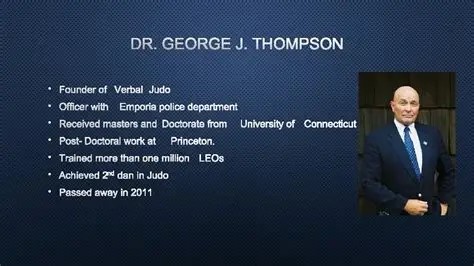
One of the biggest lessons for a new police officer is that communication is a law-enforcement skill.
You will interact with victims, witnesses, suspects, children, elderly people, people experiencing emotional crises, business owners, motorists, coworkers, supervisors, attorneys, and members of the public.
Not every problem needs to become a confrontation.
Professional communication can help officers gather information, calm situations, establish cooperation, and build community trust.
Modern police academies increasingly emphasize communication and de-escalation as part of recruit preparation. (NYC Government)
Expect the Unexpected
Perhaps the best advice for a new police recruit is simple:
You don’t know what your next call will be.
One minute you’re checking a suspicious vehicle.
The next you’re helping a family.
Later you’re writing a report.
Then your radio goes off again.
That’s police work.
Some days are exciting.
Then some are exhausting.
And some frustrating.
Finally, it’s ALL deeply rewarding.
And some calls stay with you for a long time.
Build a Career, Not Just a Job
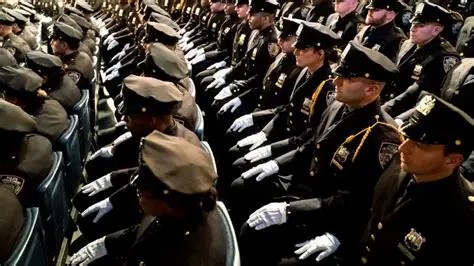
Once you’ve gained experience, law enforcement can offer numerous career directions.
Depending on the agency, officers may eventually pursue assignments involving investigations, K9 operations, SWAT, traffic enforcement, community policing, training, crime analysis, detectives, aviation, marine operations, or leadership.
Your first day in uniform is only the beginning of the journey.
Celebrate the Law-Enforcement Tradition

For new recruits, experienced officers, retired officers, families, and supporters, 10-4 Gear offers law-enforcement products designed to celebrate police service and tradition.
Shop Police Challenge Coins at 10-4 Gear — Explore police challenge coins, Thin Blue Line designs, K9 coins, memorial coins, law-enforcement collectibles, and other police-themed products.
Shop Police Shirts & Apparel — Find police officer shirts, law-enforcement apparel, K9 designs, sheriff products, tactical-themed apparel, hoodies, and other merchandise.
Explore Custom Police Products — Custom police shirts and other personalized law-enforcement products can be useful for departments, units, academies, organizations, and special events.
Explore Other Service Communities

If your interests extend beyond law enforcement, check out these related military and first-responder stores:
Military Outfitters — Military apparel, challenge coins, collectibles, and veteran merchandise.
Vision Strike Coin — Military challenge coins and service-themed collectibles.
Fire & Axes — Firefighter challenge coins, apparel, gifts, and fire-service collectibles.
Ready for the Badge?

Joining a police department takes more than wanting a badge.
It takes preparation.
Discipline.
Patience.
Honesty.
And it takes a willingness to keep learning.
The hiring process may test your qualifications, background, fitness, judgment, and character. The academy will challenge you academically and physically. Field training will introduce you to the realities of patrol. Then, if you successfully make it through those stages, you’ll begin building a career where every shift can bring something completely different.
It won’t always be easy.
But if serving your community, protecting others, solving problems, and working as part of a professional law-enforcement team sounds like the kind of challenge you’re looking for, becoming a police officer may be worth exploring.
Just remember one thing before you start:
The badge is an honor. The responsibility is the job.
Stay Ready, Professional, and Stay 10-4.