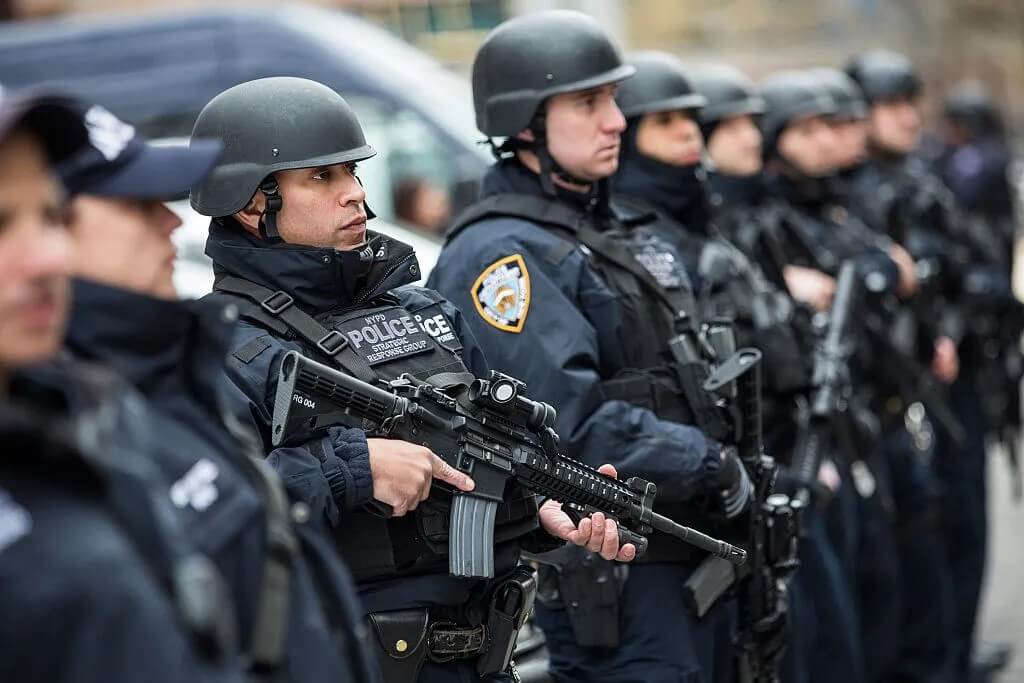
Looking at East Coast SWAT, you must understand the complex environment and unique challenges it represents. Yet, we all know police officers as the men and women answering calls, patrolling neighborhoods, investigating crimes, and helping people through difficult situations. A situation becomes too dangerous or complex for a normal patrol response, a police SWAT team and other specialized tactical units may be called.
From New York City and Philadelphia to Baltimore and Boston, East Coast police departments maintain specialized capabilities for high-risk incidents. These teams may respond to barricaded suspects, hostage situations, armed offenders, high-risk warrants, major emergencies, and other circumstances requiring specialized training and equipment.
Television would have you believe, SWAT work isn’t about kicking down doors for entertainment. The real objective is much more serious: protect lives, control dangerous situations, and resolve critical incidents as safely as possible.
The Coast Brings Unique Challenges
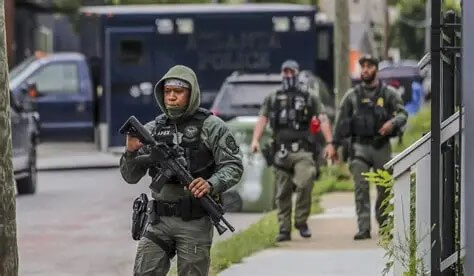
The densely populated cities of the Eastern Seaboard create a complicated environment for law enforcement.
There are buildings, crowded neighborhoods, apartment complexes, bridges, tunnels, narrow streets, waterways, and high population density can make tactical incidents especially challenging.
Police emergency can also affect hundreds of innocent people who may be nearby.
That means East Coast SWAT operations frequently require extensive coordination, planning, communication, and patience.
The public may see tactical officers arriving at a scene, but that is only one part of the operation.
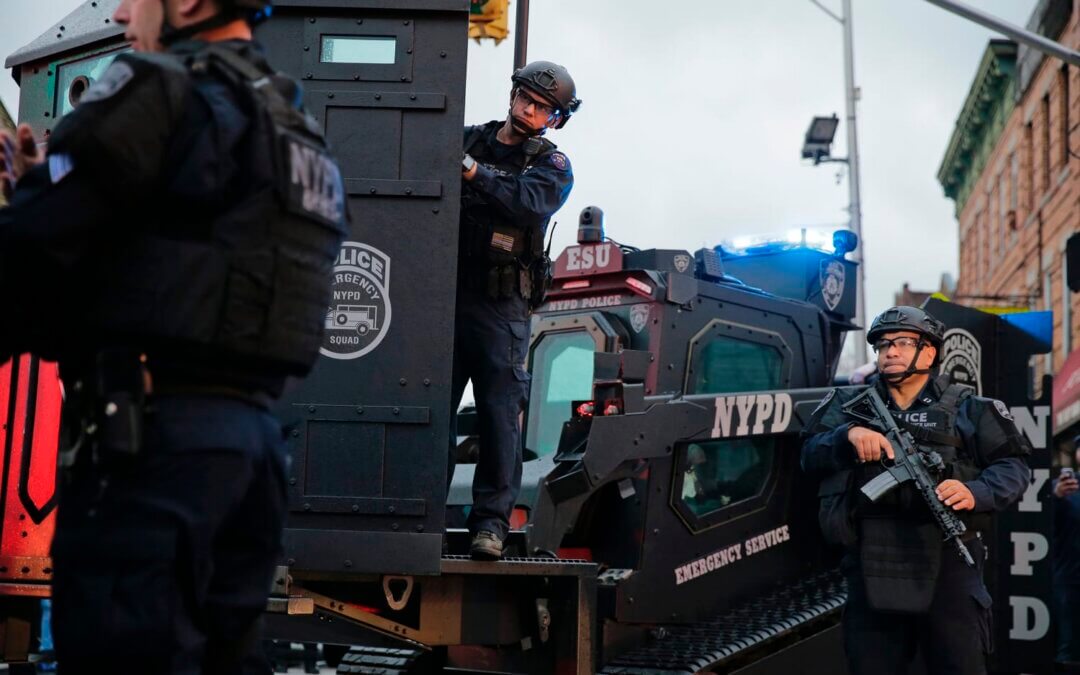
New York’s Emergency Service Unit
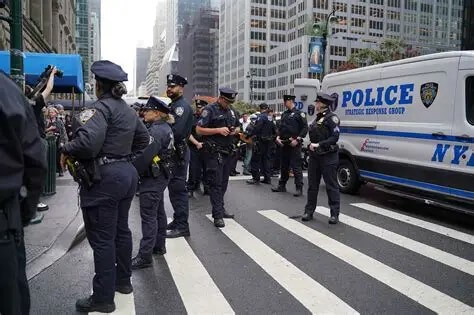
The NYPD Emergency Service Unit, or ESU, is one of America’s best-known specialized police organizations.
According to the New York City Police Department, its Special Operations Bureau supports operations on the ground, below ground in the subway system, in the air, and on New York City’s waterways. Its responsibilities can include barricaded perpetrators, hostage situations, searches for missing individuals or suspects, search warrants, waterborne incidents, air and sea rescues, and major disasters. (NYC Government)
That’s a pretty broad job description.
In other words, an ESU officer needs to be prepared for much more than one particular type of emergency.
NYPD also says ESU members receive rigorous training and are often cross-trained in multiple disciplines. (NYC Government)
That’s important because emergencies rarely follow a script.
Philadelphia: SWAT and Negotiators Working Together
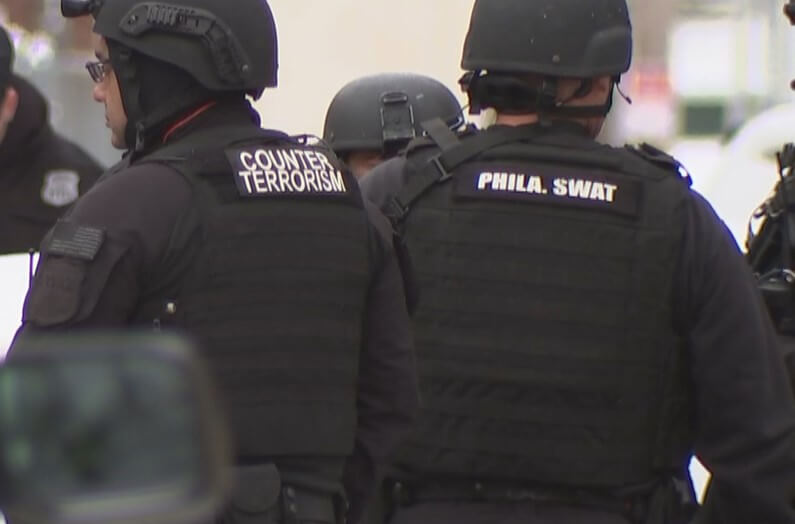
Philadelphia’s police procedures, however, demonstrate another important aspect of tactical operations: SWAT isn’t necessarily working alone.
The Philadelphia Police Department’s public directive for barricaded-person and hostage situations outlines responsibilities for incident commanders, SWAT supervisors, crisis negotiators, detectives, aviation personnel, fire-rescue personnel, and other resources. (Philly Police)
The directive specifically assigns SWAT responsibility for tactical resolution and/or hostage rescue while crisis negotiators handle verbal contact with the barricaded person or hostage taker. (Philly Police)
That’s a valuable reminder that modern tactical policing involves multiple specialties.
Sometimes the most important weapon at a scene isn’t a tactical tool.
It’s communication.
Baltimore Embraces New Technology
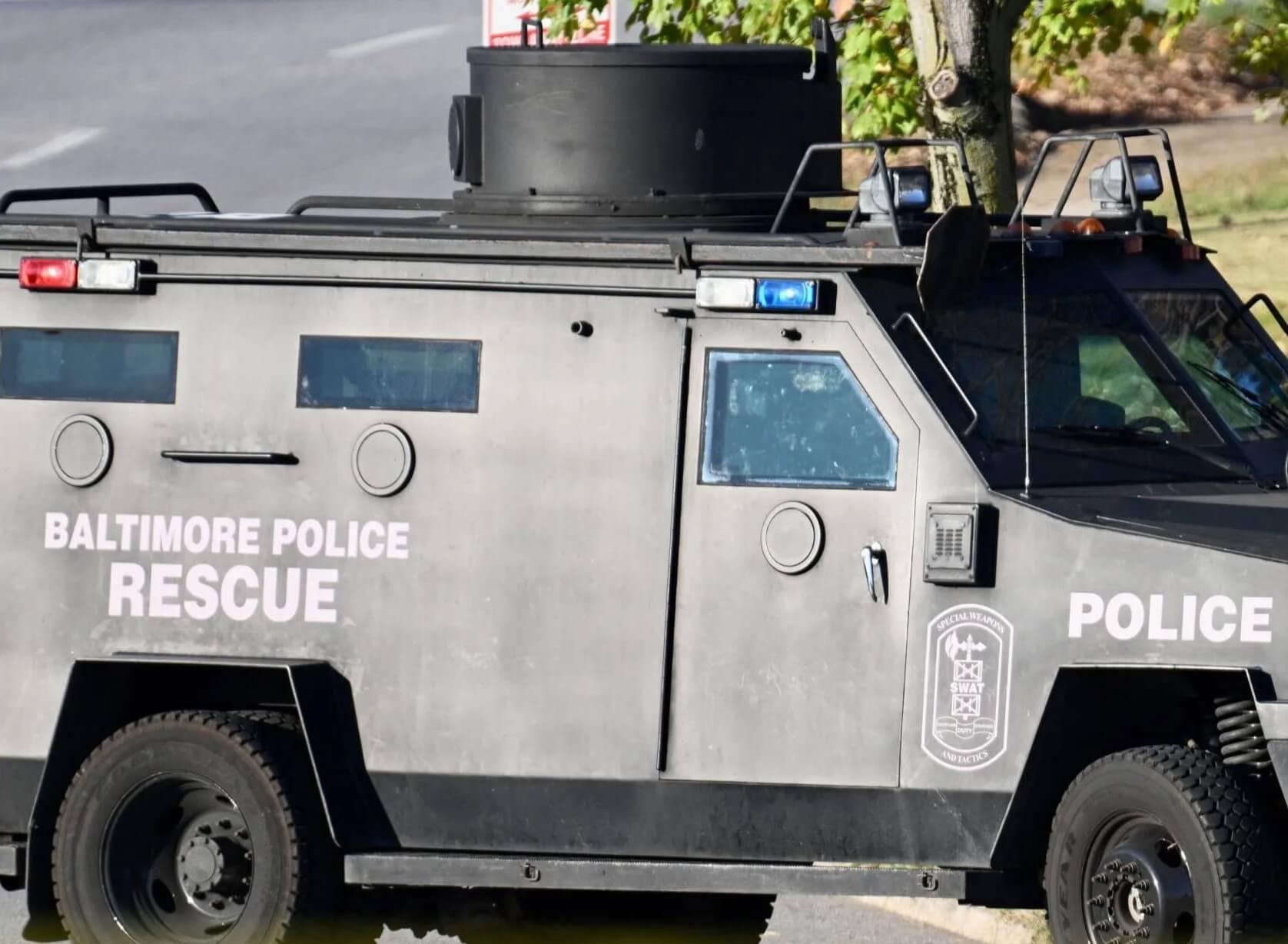
The Baltimore Police Department provides an interesting example of how technology is becoming part of modern SWAT operations.
BPD has been acquiring small unmanned aircraft systems, commonly called drones, for high-risk tactical situations including hostage rescues, active-shooter responses, and apprehending barricaded persons. The department says the technology can improve situational awareness while helping minimize the risk of death or serious injury during high-risk operations. (Baltimore Police Department)
That represents a significant change from the old image of tactical policing.
Today’s SWAT team can potentially combine highly trained officers with aerial technology, advanced communications, mapping, specialized equipment, and other resources.
Technology doesn’t replace officers.
It gives them more information with which to make decisions.
Boston’s Tactical Operations
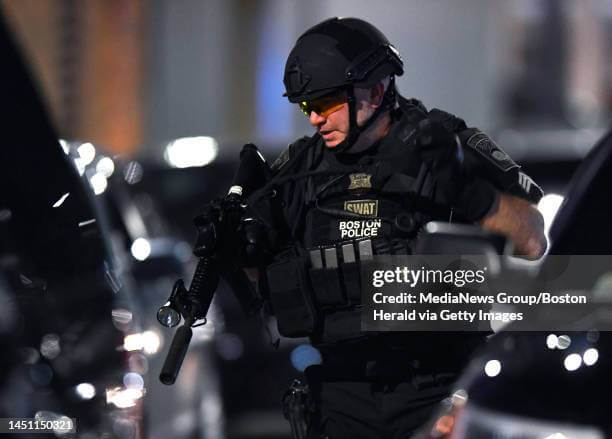
Boston Police Department’s organizational structure also illustrates the specialized nature of tactical policing.
Boston identifies Tactical Operations as responsible for specialized patrol, tactical, and selective-enforcement operations requiring a high degree of specialized training or equipment. The unit includes the SWAT Team and Negotiation Team. (Boston Police Department)
The department’s current recruiting information also identifies Special Operations/SWAT as a specialized assignment available to officers after gaining experience. (Boston Police Department)
That’s another important point: becoming a SWAT officer generally isn’t simply a matter of showing up and asking for the coolest helmet.
Specialized assignments require experience, qualifications, training, and department approval.
Why SWAT Operations Are Dangerous
The danger comes from uncertainty.
Officers may not know exactly what a suspect intends to do.
They may not know how many people are inside a location.
They may have incomplete information about weapons or the physical environment.
And civilians may be nearby.
Every additional unknown can increase the risk.
That’s why specialized tactical teams spend so much time training.
The goal isn’t simply to react faster.
It’s to make better decisions under pressure.
Training Makes the Difference
Training is one of the least exciting parts of SWAT work—and one of the most important.
Police tactical officers must develop skills involving teamwork, communication, physical fitness, firearms proficiency, emergency medical considerations, crisis management, and decision-making.
Departments also conduct scenario-based training because real emergencies rarely unfold exactly like classroom exercises.
Boston Police has publicly highlighted specialized SWAT training, with department personnel describing tactical training as particularly valuable for its officers. (Boston Police Department)
The best tactical operation is not necessarily the most dramatic one.
It’s the one that safely resolves the crisis.
The Negotiator Matters Too
Hollywood often makes SWAT the star of the show.
Reality is different.
Crisis negotiators can play an enormous role in resolving dangerous incidents without physical confrontation.
Philadelphia’s East Coast SWAT published procedures specifically assign crisis negotiation teams responsibility for verbal contacts with barricaded persons, hostage takers, or other subjects during designated critical incidents. (Philly Police)
That means patience, listening, communication, and psychology can be just as important as tactical equipment.
Sometimes the safest outcome is achieved because somebody kept talking.
Tactical Medicine and Fire-Rescue
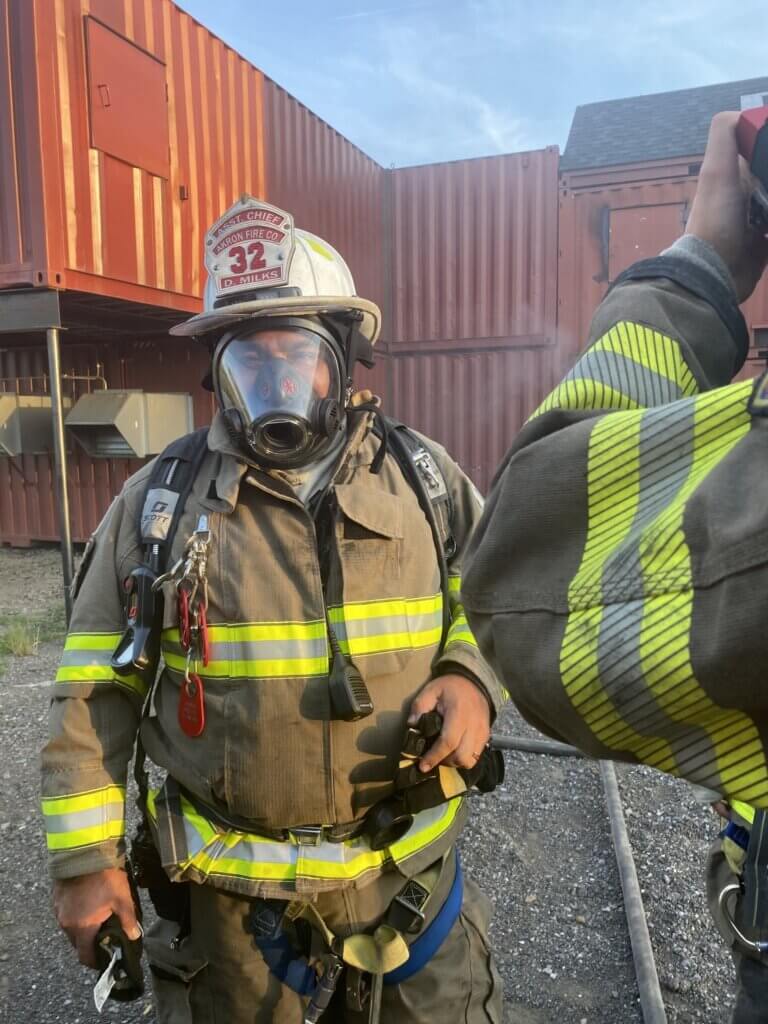
Another major component is medical support.
Philadelphia’s procedures call for fire department emergency medical resources at certain barricaded-person or hostage incidents and require appropriate fire equipment before specific tactical tools are used. (Philly Police)
This illustrates the larger public-safety system surrounding a SWAT operation.
Police may control the tactical situation.
Firefighters may provide rescue capabilities.
Paramedics may be ready to treat injuries.
Negotiators may work toward peaceful resolution.
The Public Usually Sees Only the Final Moment
When a tactical operation makes the news, viewers may see armored vehicles, officers in protective equipment, helicopters, or a large police presence.
What they may not see are the hours of preparation, intelligence gathering, negotiations, perimeter control, coordination, and decision-making.
That’s why understanding police East Coast SWAT operations requires looking beyond the dramatic images.
The equipment is important.
The training is important.
But judgment and teamwork are essential.
Honor the Officers Behind the Mission

For police officers, retired law-enforcement professionals, families, and supporters, 10-4 Gear offers products celebrating the traditions and service of American law enforcement.
Shop 10-4 Gear Police Challenge Coins — 10-4 Gear features police challenge coins, including Thin Blue Line, K9, memorial, prayer, and specialized law-enforcement designs.
Shop Police & SWAT Apparel — The store carries police shirts, tactical-themed apparel, K9 designs, sheriff shirts, trooper apparel, hoodies, and other law-enforcement merchandise.
Explore Custom Police Shirts — 10-4 Gear offers custom police shirts and can create coordinated shirts, hoodies, coins, decals, and other products for law-enforcement organizations.
10-4 Gear’s product selection also includes decals, drinkware, collectibles, gifts, and other police accessories, giving departments and families additional ways to commemorate service. (10-4 Gear)
Explore America’s Military and First-Responder Community

Police officers are part of a much larger community of American service and emergency professionals.
Military Outfitters — Explore military apparel, challenge coins, collectibles, and veteran products.
Vision Strike Coin — Discover military challenge coins and service-inspired collectibles.
Fire & Axes — Explore firefighter challenge coins, apparel, decals, drinkware, and gifts honoring the fire service.
When the Situation Gets Serious
East Coast SWAT operations demonstrate just how specialized modern law enforcement has become.
New York’s ESU, Philadelphia’s SWAT and negotiation resources, Baltimore’s technology initiatives, and Boston’s Tactical Operations structure all show different approaches to handling high-risk situations. (NYC Government)
The common thread is preparation.
When a dangerous situation develops, officers don’t have the luxury of saying, “Let’s figure this out tomorrow.”
They have to assess the situation.
Protect the public.
Coordinate resources.
Communicate.
And make difficult decisions.
That’s the reality behind the SWAT badge.
Not Hollywood.
Not hype.
Just highly trained police professionals preparing for the moments when ordinary police work isn’t enough.